Do you get your tan from a bottle or a sunbed? Let’s chat
(+ my fav self-tanners ever)
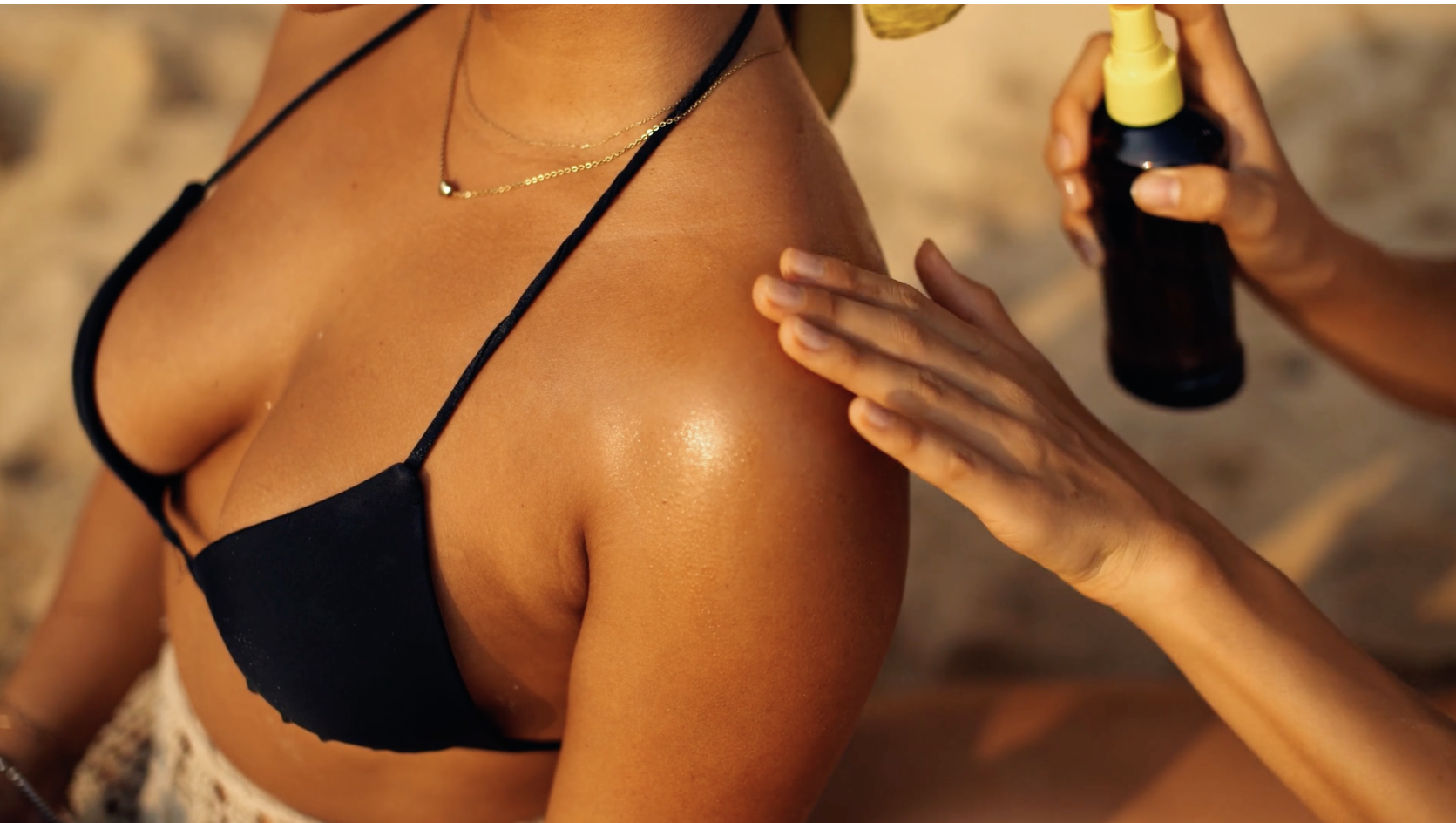
Pexels
I’m naturally very white. No, I’m whiter than white — I’m snowflake, printer paper, Kylie Jenner’s veneers white. And while I wish I could embrace my paleness, having a nice summer glow all year long really does something to my confidence.
I have tried so many self-tanners in the last 15 years that make me an expert in sunless tanning. I’ve also done my fair share of time in a tanning bed. Whether you choose to do one or the other is between you and God (and probably your dermatologist), so the point of this post isn’t to shame your decisions. Whatever option, know that there are pros and cons to both. And that’s where I come in.
Sunless tanning:
Spray tans, self-tans, body makeup, and serums — this is an incredible option that your skin would prefer. Not only are there hundreds of brands to choose from, but the options regarding formula are also wildly vast. It may seem intimidating to decide which self-tanner is best for you, and I’m always getting asked which one I use, so I’ll also include my favorite ones at the bottom of this post (because I love you).
Pros:
☀️ Sunless tanning is safe for your skin.
This one is obvious, but it can’t go without saying. Sun exposure to the skin is not only damaging, but it can cause wrinkles, premature aging, and maybe even skin cancer. Sunless tanning stains the outermost layer of the skin, which is basically composed of dead skin cells, so it’s not doing much harm. According to Dr. Adam Friedman, director of dermatologic research at Montefiore-Albert Einstein College of Medicine, the browning only takes place in your skin’s “stratum corneum”—the topmost layer composed of dead cells. “Our bodies make a form of this stuff,” Friedman said in an interview with TIME Magazine, referring to the chemicals in the tan called DHA. “So I’m not concerned about it from a safety standpoint. When used topically, I think it’s the only safe way to have a tan appearance.”
☀️ Sunless tanning is fast
Let’s say you have an important event coming up this weekend. Instead of laying out in the sun or a tanning bed for that golden glow — which, let’s be real, you won’t really get the color you want in a few days, anyway — you can simply apply a self-tanner and wake up looking like you just vacationed in the Maldives.
☀️ Sunless tanning is convenient
You can get a beautiful sun-kissed look in the privacy of your own home. Self-tanners are best applied completely nakey to avoid tan lines. While I am no stranger to getting naked in front of my spray tan tech, some people may not be as comfy. And that’s OK! The convenience and ease of self-tanning allow you to be on the couch watching a movie one minute and in the bathroom applying a bronzy glow the next.
☀️ Sunless tanning allows you to control your color
With so many different products and shades to choose from, you don’t have to go super dark and bronzed — or you can if that’s what you like! Light, medium, dark, and even extra-dark shades are out there. Whether you want a subtle, sexy glow or a dramatic, sultry glow, the options are there.
Cons:
☀️ Sunless tanning fades … and sometimes, not seamlessly
Perhaps the biggest drawback to self-tanning is that it doesn’t last forever (boooo). It fades, especially if you don’t stay moisturized. When the fading occurs, depending on the product, it can be unsightly. I have had one too many experiences where I look diseased-ridden and patchy. Invest in a good loofah and reapply that tanner weekly!
☀️ Sunless tanning can be messy
Self-tanners can be super messy and, as a result, streaky and staining. Most self-tanners have a color guide, which is basically a bronzer infused within the product, so you can see where you are applying the tanner. While that’s super helpful, it does have its drawbacks.
Pro tip: Wear dark, loose clothing after self-tanning so you don’t stain your clothes or leave any streaks. You may also want to stay away from white bedding!
☀️ Sunless tanning can be stinky
Most self-tanners contain DHA (dihydroxyacetone), which, according to Healthline, is a sugar that interacts with the proteins in our skin to give us that bronzed glow. While DHA is FDA-approved and pretty safe, it has a very unpleasant smell that many brands try to cover up with perfumes. But they are never 100% successful.
☀️ Sunless tanning can be a pain in the butt
You have to work for your tan here. You don’t get the luxury of just laying in a bed or under the sun and relaxing. You may need to bend and twist your body in ways you never knew possible to apply it evenly all over your body. And don’t get me started if a splash of water touches your skin before those 6 to 8 hours of processing are up!
Sunbed tanning:
Tanning beds have been around for over 50 decades and can admittedly be addicting. I was first introduced to one when I was in the 7th grade (which is now ILLEGAL). In fact, tanning beds are illegal in certain countries like Australia because they really, really aren’t good for you. Tanning beds emit ultraviolet radiation, which is made up of two types of rays — UVA and UVB, both of which can be harmful to the skin. And the sun is hardly any better. Even though I am not a religious tanning bed user and have way more experience with the self-tanning option, I do love a good layout sesh (with SPF, of course).
Pros:
☀️ You don’t have to work for your tan
It’s relaxing. It’s rejuvenating. It feels good. All you have to do is lie there and maybe have a sip of water. There is no rubbing, blending, or wiping. I mean, enough said.
☀️ Your tan is seamless and doesn’t wash off
Unlike self-tanning, you can shower, swim, have a bubble bath, or relax in a hot tub and not have to worry about the color of your skin dripping off. Getting a pedicure is also a very relieving experience, as you are able to leave the salon with the same leg color as you arrived.
☀️ No weird smells or staining
Because tanning beds or the sun don’t require DHA or bronzers, there is nothing cosmetically on the skin that would cause stains or smells. Some tanning lotions do have a little DHA in them, but not enough to do any real damage to your clothes or sheets.
Cons:
☀️ Obviously, tanning is dangerous and can cause cancer
According to the American Academy of Dermatology, Indoor tanning can increase the risk of developing the two most common types of skin cancer — squamous cell carcinoma by 58% and basal cell carcinoma by 24%. Using tanning beds before age 20 can increase your chances of developing melanoma by 47%, and the risk increases with each use. I’m pretty positive you would never find a doctor or dermatologist alive who would support indoor tanning or sunbathing.
☀️ It’s expensive
Tanning memberships are not cheap and can range anywhere from $60 to $200 per month. And that doesn’t include the lotions, eyewear, and any other product you need to achieve your desired results. Unless you live in an area that has sunshine all year round — in which case, you are lucky, and please DM me so I can be your neighbor — then you most likely will want to invest in a tanning membership.
☀️ It requires a lot of upkeep
Until you reach your desired color, you will need to go periodically — upwards of every day or every other day — to achieve your base tan. Even though most tanning bed limits are 10 to 15 minutes, so you aren’t using up a whole lot of your day, you still may need to take a trip to the salon frequently. And laying in the sun requires even longer patience!
There are many routes you can take when it comes to achieving your desired sun-kissed glow. Even though I am naturally a luminous shade of porcelain (and I’m assuming you are too, if you made it this far), I’m glad there are options out there to help boost our confidence.
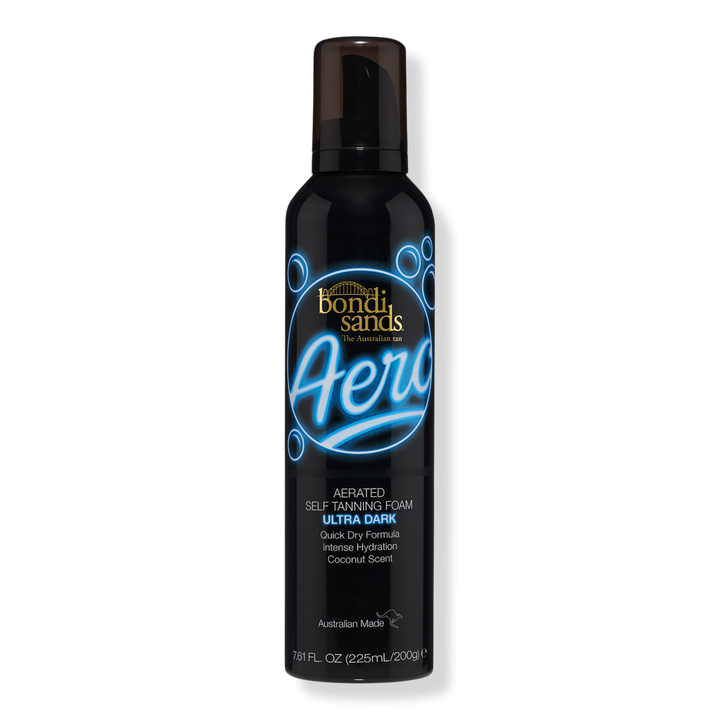
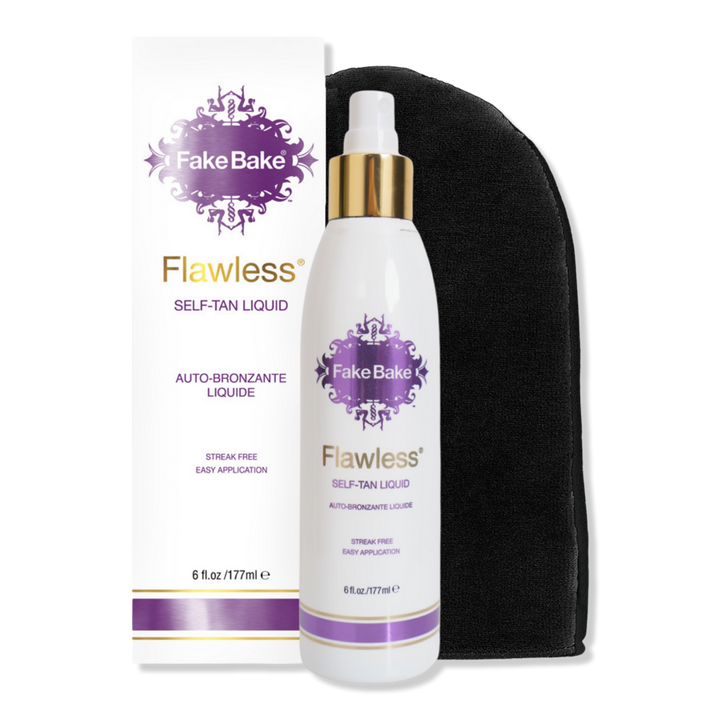
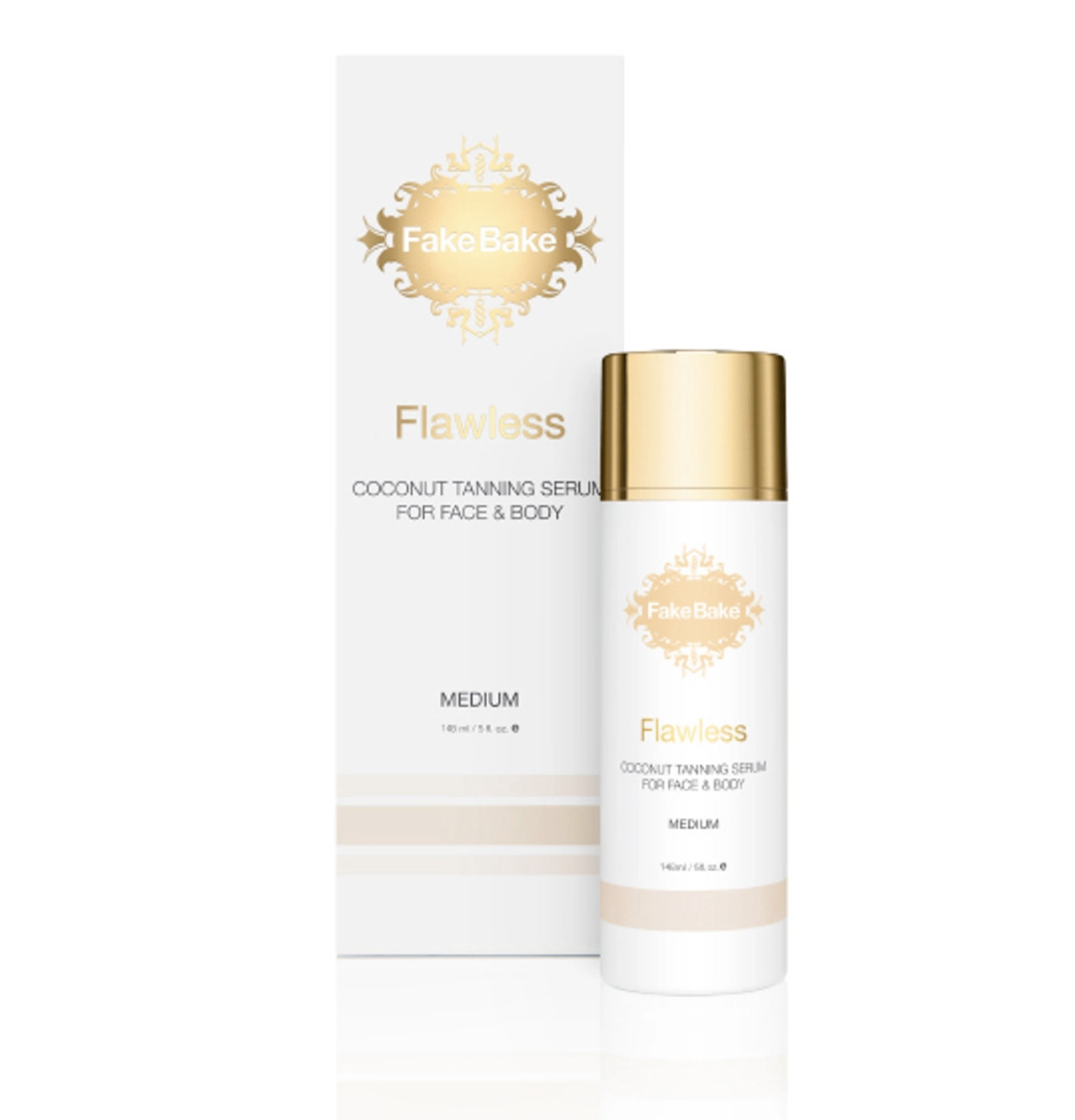
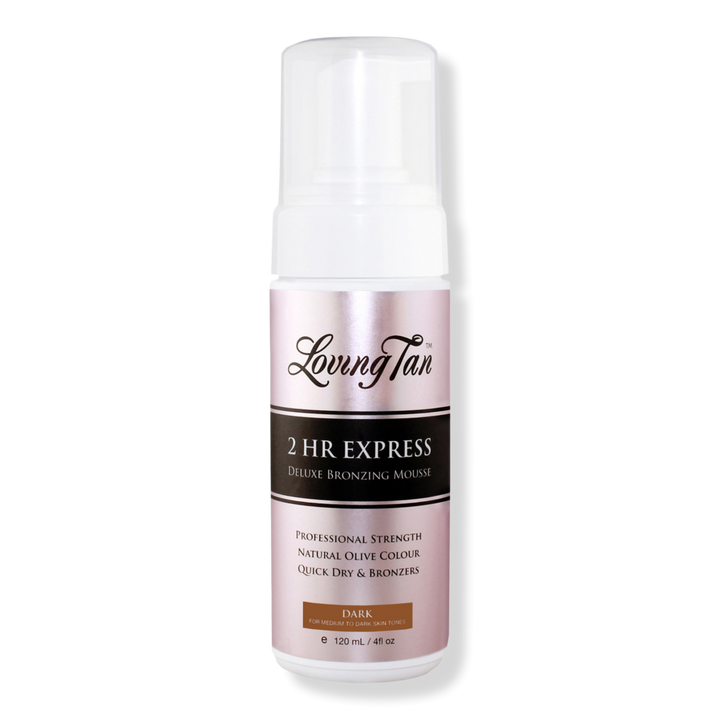
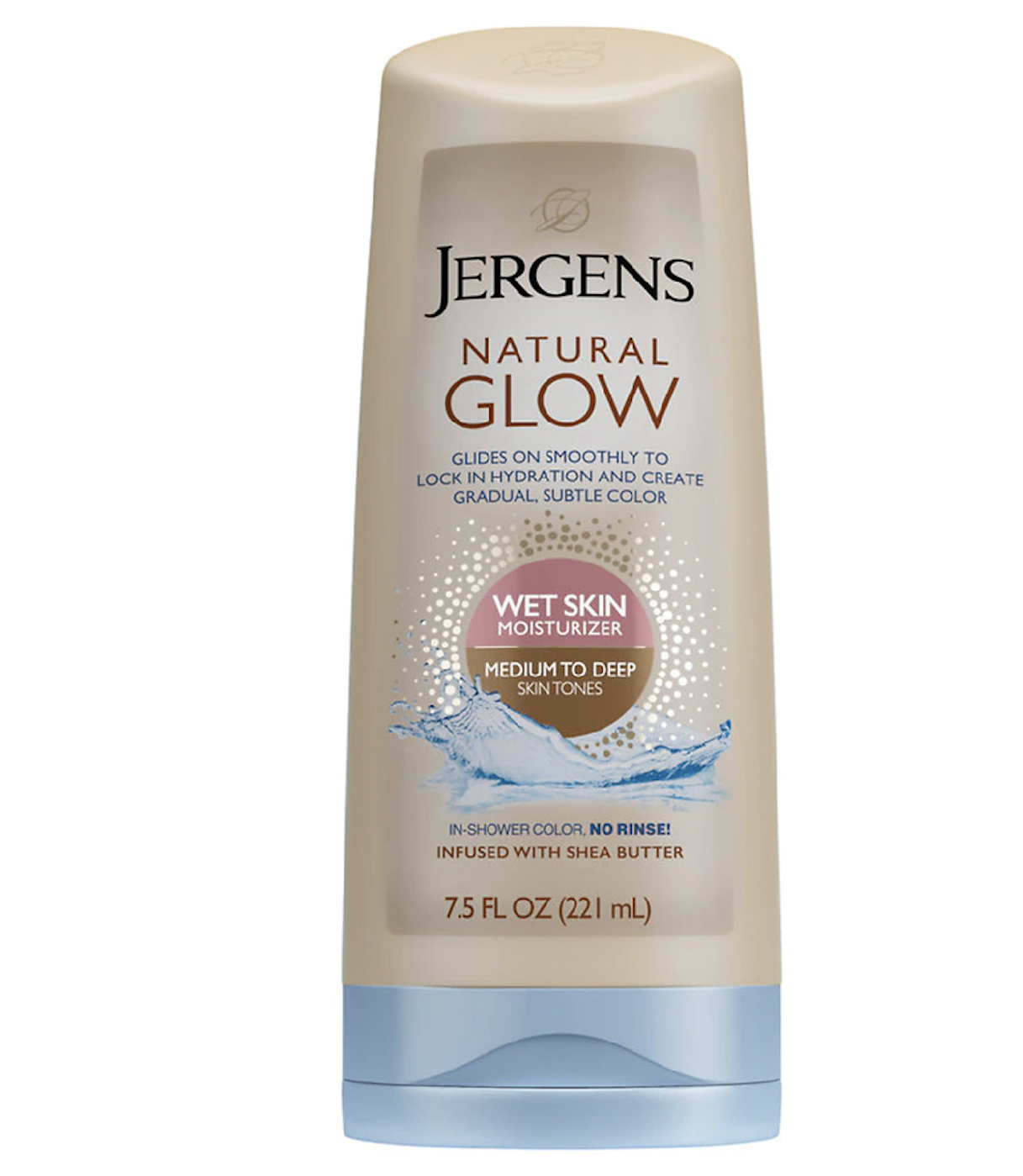
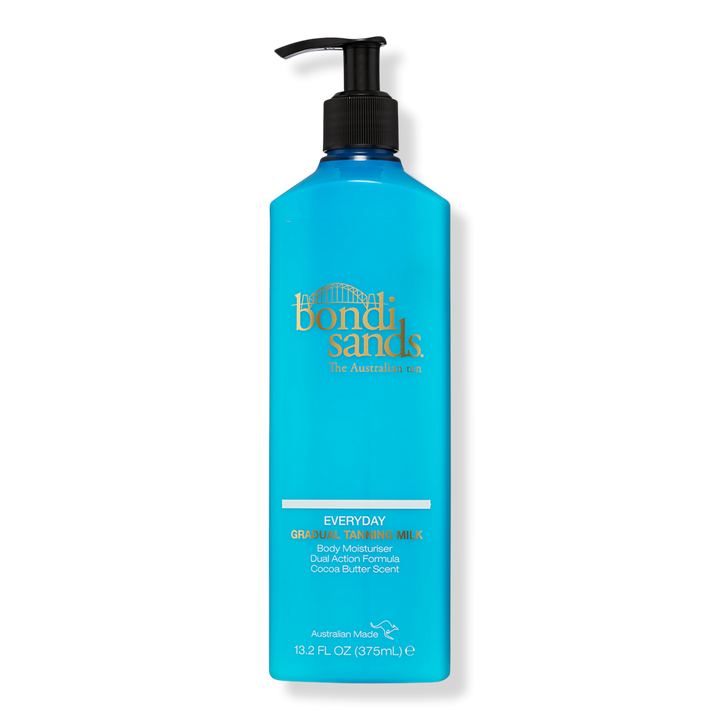
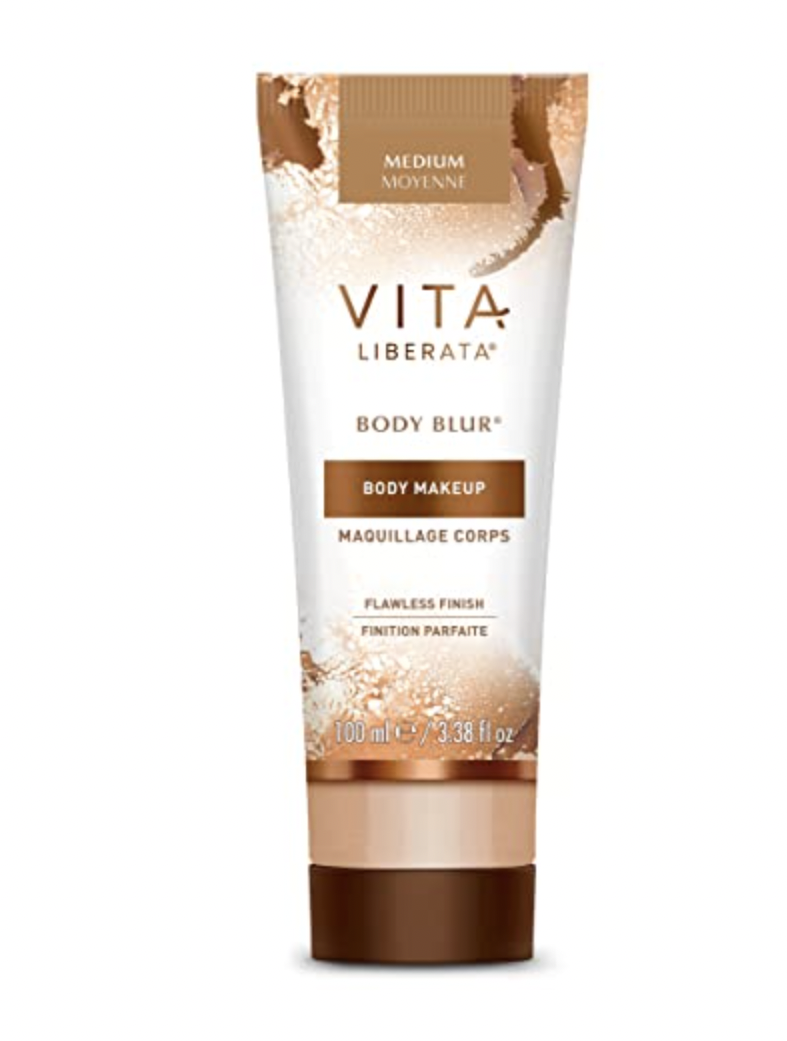
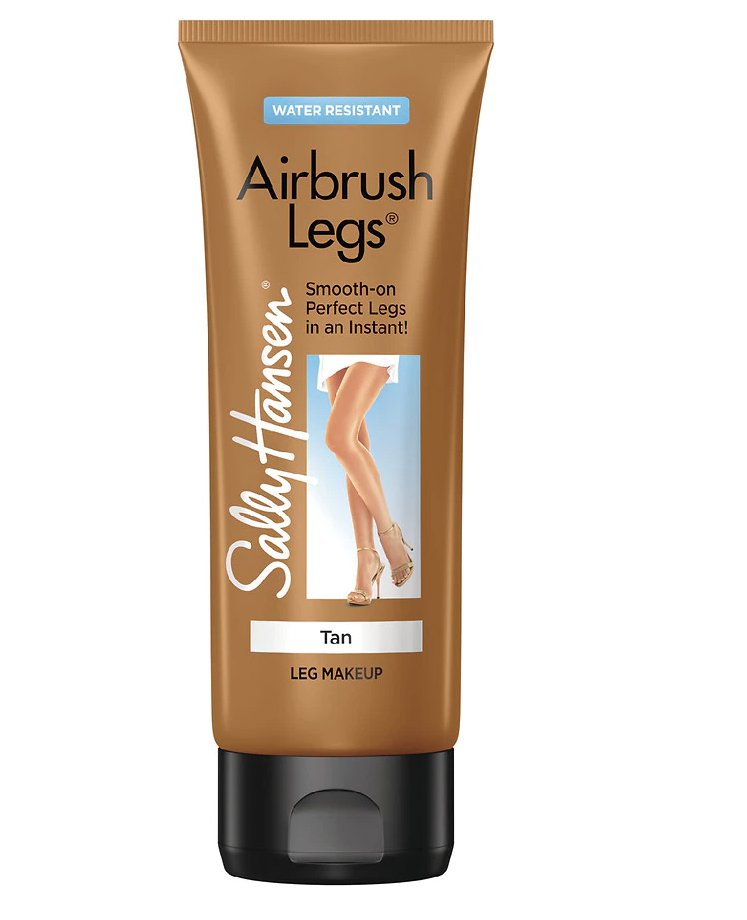
And, as promised, here are my favorite and highly recommended self-tanners: